AI-Powered Solutions: Transforming Operations in Logistics Management
Introduction to AI in Logistics
In the fast-paced world of logistics, efficiency and accuracy are paramount. The integration of AI-powered solutions is revolutionizing how logistics operations are managed, offering unprecedented opportunities for optimization and growth. These technologies are not just trends; they are becoming essential components of modern logistics strategies.

Enhancing Supply Chain Visibility
One of the most significant advantages of AI in logistics is improved supply chain visibility. AI algorithms analyze vast amounts of data to provide real-time insights, enabling companies to track shipments, monitor inventory levels, and predict demand with remarkable accuracy. This enhanced visibility ensures that businesses can respond quickly to changes and maintain a competitive edge.
AI tools can identify patterns and anomalies, helping logistics managers make informed decisions. By predicting potential disruptions, companies can proactively address issues before they escalate, thus minimizing risks and maintaining smooth operations.
Predictive Analytics for Demand Forecasting
AI's ability to process and analyze data leads to more accurate demand forecasting. By leveraging historical data and market trends, AI systems predict future demand, allowing companies to optimize inventory and reduce waste. This capability is crucial for maintaining the delicate balance between supply and demand, ultimately enhancing customer satisfaction.

Optimizing Route Planning
AI-powered solutions are transforming route planning by using real-time data to determine the most efficient routes. This not only reduces transportation costs but also minimizes delivery times, leading to improved customer satisfaction. With AI, logistics companies can adapt to traffic conditions, weather changes, and other variables in real-time.
Moreover, AI systems can dynamically adjust routes based on current conditions, ensuring that deliveries are made on time and resources are used efficiently. This adaptability is a game-changer in logistics management.
Reducing Operational Costs
Implementing AI-powered solutions can significantly reduce operational costs in logistics. By automating routine tasks, such as data entry and inventory management, companies can free up valuable human resources for more strategic activities. This automation leads to increased productivity and cost savings.

Improving Customer Experience
AI plays a crucial role in enhancing the customer experience in logistics. By providing accurate delivery estimates and enabling real-time tracking, customers are kept informed and engaged throughout the delivery process. This transparency builds trust and loyalty, essential components of a successful business.
Additionally, AI-driven chatbots and virtual assistants offer immediate customer support, addressing inquiries and resolving issues efficiently. This level of service enhances the overall customer experience, setting businesses apart from their competitors.
Future of AI in Logistics
The future of logistics management is undoubtedly intertwined with AI advancements. As technology continues to evolve, AI-powered solutions will become even more sophisticated, offering new opportunities for optimization and growth. Companies that embrace these innovations will be well-positioned to thrive in an increasingly competitive market.
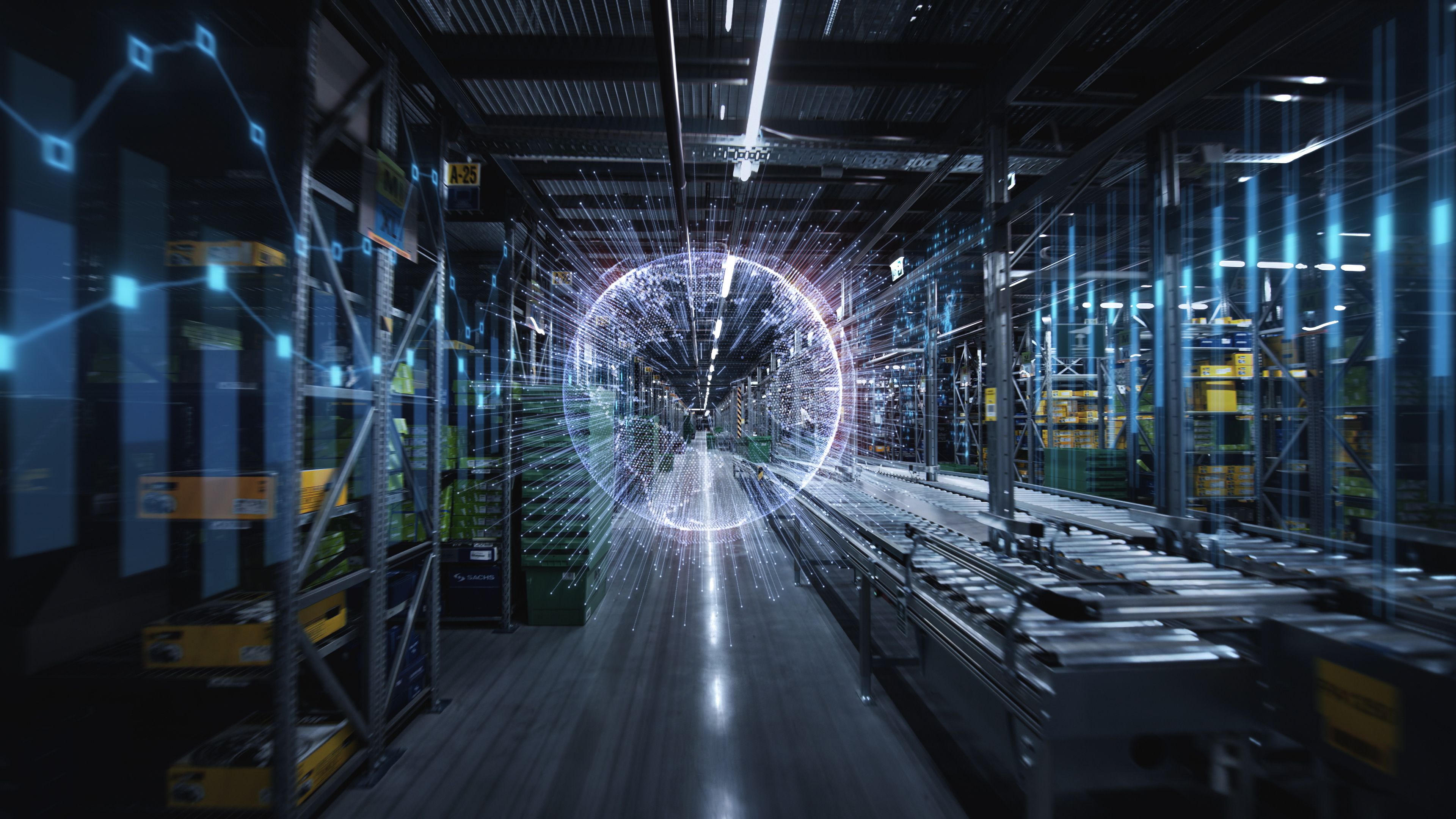
In conclusion, AI-powered solutions are transforming logistics management by enhancing visibility, optimizing operations, and improving customer experiences. As the logistics industry continues to evolve, embracing AI will be key to maintaining a competitive advantage and achieving long-term success.