Connecting Team Drivers with a Vast Network of Shippers
Understanding the Importance of Connectivity
In today's fast-paced logistics industry, seamless connectivity between team drivers and a vast network of shippers is crucial. This connectivity ensures timely deliveries, efficient operations, and satisfied clients. By leveraging technology, transportation companies can create a robust platform where drivers and shippers collaborate effectively.
Team drivers benefit from having access to a broad network of shippers, as it opens up more job opportunities and increases their efficiency. Shippers, on the other hand, gain access to a larger pool of drivers, ensuring that their loads are transported quickly and reliably.

Technological Solutions for Enhanced Connectivity
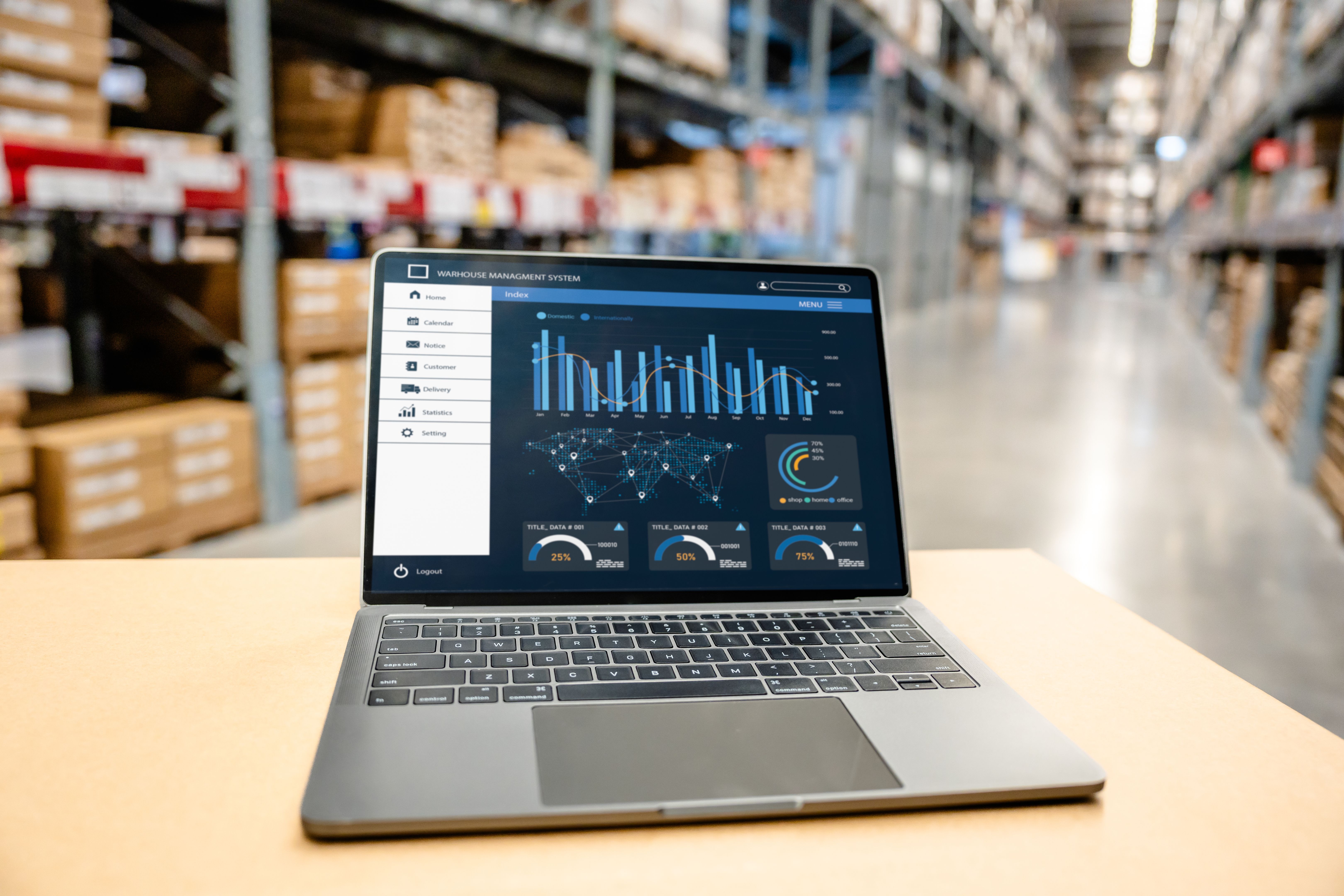
Technology plays a pivotal role in connecting team drivers with shippers. Advanced logistics platforms are designed to streamline this process, offering real-time updates and comprehensive databases. These platforms enable instant communication, load tracking, and route optimization.
Features such as GPS tracking and automated alerts help drivers stay informed about load availability and route changes. Shippers can also track their shipments in real-time, ensuring transparency and accountability throughout the transportation process.
Benefits of a Connected Network
There are several advantages to establishing a connected network between drivers and shippers:
- Efficiency: Real-time data sharing reduces delays and optimizes routes.
- Cost-Effectiveness: Efficient operations lead to reduced fuel consumption and lower operational costs.
- Reliability: Timely deliveries enhance trust and strengthen business relationships.
Building Stronger Relationships
Beyond technology, fostering strong relationships between drivers and shippers is vital. Open communication, mutual respect, and understanding of each other's needs lead to more successful partnerships. Regular feedback and communication can address any issues promptly, ensuring a smooth workflow.
Logistics companies can facilitate this by organizing regular meetings and encouraging feedback from both parties. This proactive approach helps in resolving potential conflicts and improving service quality.

Challenges and Solutions
While the benefits are significant, there are challenges in maintaining a connected network. These include technology adoption barriers, data security concerns, and varying levels of technological proficiency among users.
To overcome these challenges, companies can invest in user-friendly platforms and provide training sessions for drivers and shippers. Ensuring robust cybersecurity measures can also build trust and encourage wider adoption of these technologies.
The Future of Logistics Connectivity
The future of logistics is bright, with continuous advancements in technology paving the way for even more connected networks. The integration of artificial intelligence and machine learning can further enhance decision-making processes, predicting demand and optimizing routes with greater accuracy.
As the industry continues to evolve, embracing these changes will be key to staying competitive. Companies that prioritize connectivity between team drivers and shippers can expect greater efficiency, higher customer satisfaction, and long-term success.